

The Hard Dilemma: Quantity vs. Identity — Does a 150-Artist Lineup Actually Improve the Festival Experience?
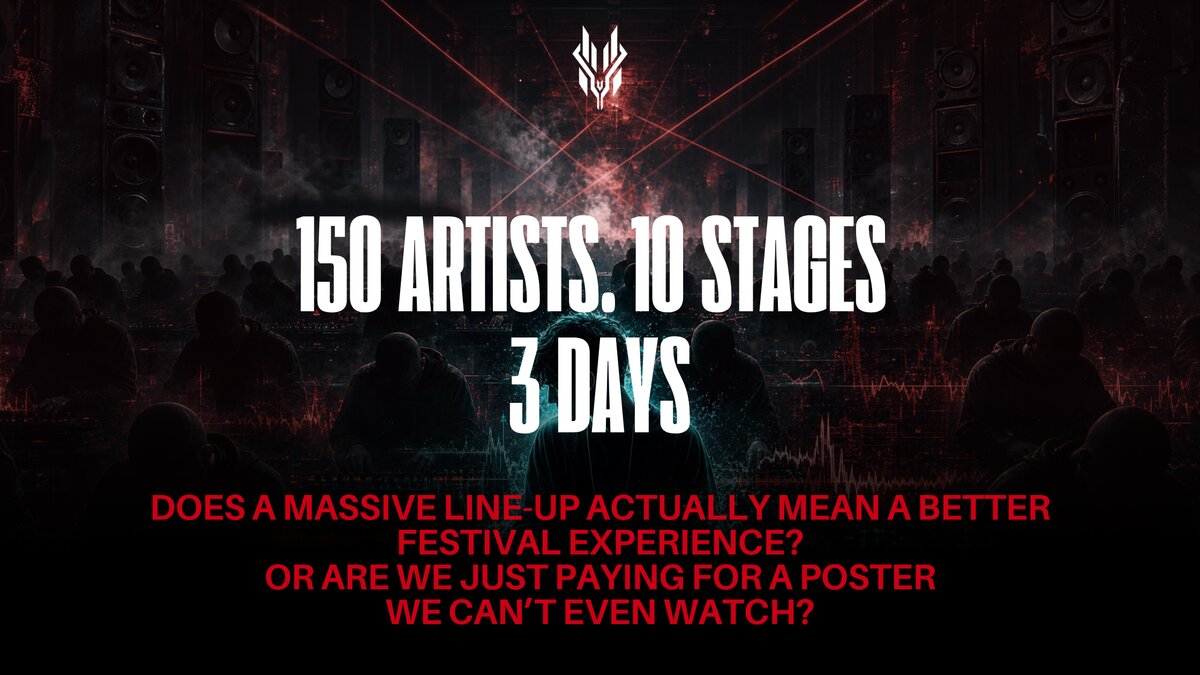
150 artists. 10 stages. 3 days. On paper, it sounds like the ultimate Hard Dance experience. In reality, it might be the recipe for a weekend of anxiety, exhaustion, and regret. Does a massive line-up actually mean a better festival experience, or are we just paying for a poster we can't even watch?
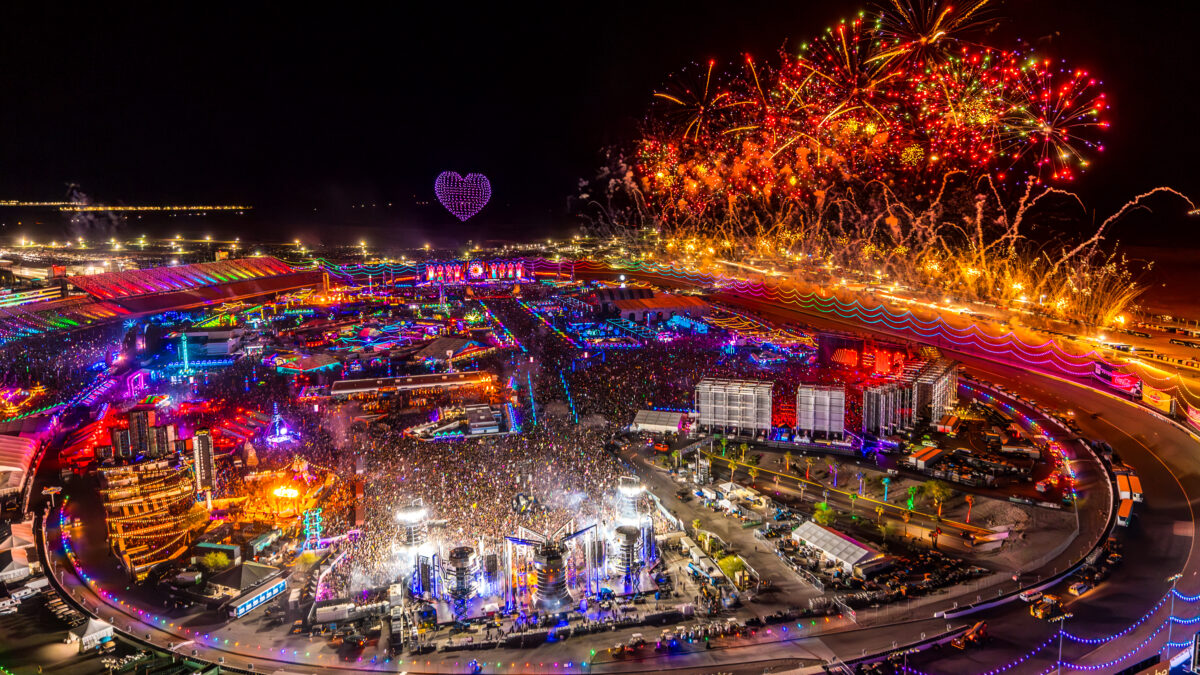
This is not about hating big festivals. Defqon.1, Thunderdome, and Masters of Hardcore shaped the scene as we know it. But as lineups inflate to 400+ artists across 14+ stages, we need to ask a question nobody seems to be asking: Is more actually more?
At Magistrates Music, we believe the answer is nuanced and deeply personal. This article uses real data, academic research, and industry statistics to explore the tension between quantity and identity in the Hard Dance festival circuit.
I. The Numbers: How Big Have Festivals Actually Gotten?
The growth of festival lineups over the past decade is not a feeling; it is a measurable trend. According to a 10-year analysis by Booking Agent Info, the number of unique artists booked at major festivals has trended consistently upward since 2015, with electronic music reaching 199 unique artists at major US multi-genre festivals alone in 2025, making it the most-booked genre.
In the Hard Dance world specifically, the scale is even more dramatic:
- Defqon.1 2026 featured an estimated 427 to 498 artists across 14+ stages over four days, before its historic cancellation due to extreme heat.
- Thunderdome 2024 (Omega/Alpha) packed two distinct lineup philosophies, classic hardcore and contemporary hardcore, into a two-day format at the Sportpaleis in Antwerp.
- The global music festival market is projected to grow from $3.5 billion to $17.9 billion by 2035, according to The Business Research Company. EDM festivals account for 42% of the total market share.
The math is simple for promoters: more names on the poster means more perceived value, which means more ticket sales. But what is the actual cost to the attendee?
II. The FOMO Trap: When Choice Becomes Anxiety
Here's the paradox of the 150-artist lineup: the more options you have, the worse you feel about your choices.
In the Hard scene, clashes are not a bug; they are a mathematical certainty. Your 3 favorite Uptempo and Hardtechno acts playing at the exact same time on opposite sides of the terrain. Choosing isn't winning; it's losing 2 out of 3.
This is not anecdotal frustration. Academic research confirms it. A peer-reviewed study published by the World Research Library found that festival FOMO (Fear of Missing Out) is a form of loss aversion: attendees are motivated to act, often irrationally, to avoid the perceived negative outcome of missing out. The study found that while FOMO drives the intent to attend, it paradoxically has a negative effect on anticipated emotion, because the anxiety of potentially missing sets creates distress rather than happiness.
Further research from the Indian Institute of Business Psychology links festival FOMO directly to compulsive buying behaviors and clinical anxiety, fueled by the constant exposure to "perfect" festival experiences on social media.
"FOMO positively influences brand equity and behavioral intention to attend. However, it has a negative effect on anticipated emotion, because the anxiety of potentially missing the event creates distress, not happiness."
World Research Library, Festival FOMO Study
In other words: the bigger the lineup, the bigger the anxiety. The festival designed to give you "everything" ends up giving you the constant feeling that you're in the wrong place.
III. Running Is Not Raving
Spending 20 minutes of every hour walking through crowds just to catch the "last 15 minutes" of a set. If you are always on the move, you are never in the moment.
This is not hyperbole. Research into festival layout and crowd flow shows that transit times between stages at major festivals can balloon from 10 minutes during daylight to over 25 minutes at peak hours, due to crowd density, terrain conditions, and security checkpoints.
At events like Defqon.1, where stages are spread across vast terrain at Walibi Holland, the physical reality is stark: walking speeds in festival crowds drop to approximately 2 mph, roughly half the normal walking pace. Add darkness, mud, and 65,000 other people making the same choices, and the "quick stage hop" becomes a 30-minute cardio session.
The same research notes that sound bleed between stages creates additional mental fatigue: when bass from one stage overlaps with another, the brain works harder to process competing rhythms, accelerating sensory overload.
Festival veterans know the unspoken truth: the best sets you've ever seen were the ones where you arrived early and stayed. Not the ones where you caught the last 15 minutes while still processing the stage you just left.
IV. The "Clip" Culture: When Sets Become Highlight Reels
Huge lineups create a cascading problem that goes beyond the audience: they compress set times.
To fit 150+ artists into a weekend, festivals routinely assign 45-to-60-minute slots to most acts, reserving longer times only for headliners. According to The Ticket Fairy's analysis of festival scheduling strategies, this compression is a deliberate trade-off: more names on the poster at the cost of artistic depth.
The impact on performance is measurable. Relentless Beats reported that the rise of TikTok and Instagram has incentivized "optimized" performances, where DJs feel pressured to prioritize their most recognizable tracks and viral drops to cater to shorter attention spans and the need for shareable, high-impact content.
The result? We are losing the art of the "journey" for the sake of the "clip."
In the hard scene, this is especially painful. The beauty of a great Hardcore or Uptempo set lies in its arc: the build, the atmosphere, the story. A 45-minute slot forces every DJ into the same playbook, which boils down to open hard, play the bangers, close harder. There is no room for surprise. No room for the quiet moment before the drop that makes the drop actually mean something.
As we explored in Is the Scene Eating Itself?, when every set follows the same formula, identity disappears. Compressed set times are the structural reason why.
Compare this to a 90-minute journey set where an artist like Wrong Sequence can explore the full range of their sound, from atmospheric intros to devastating climaxes, and you start to understand what is being sacrificed in the name of "more artists."
V. Where Is the Soul? The Case for Curated Identity
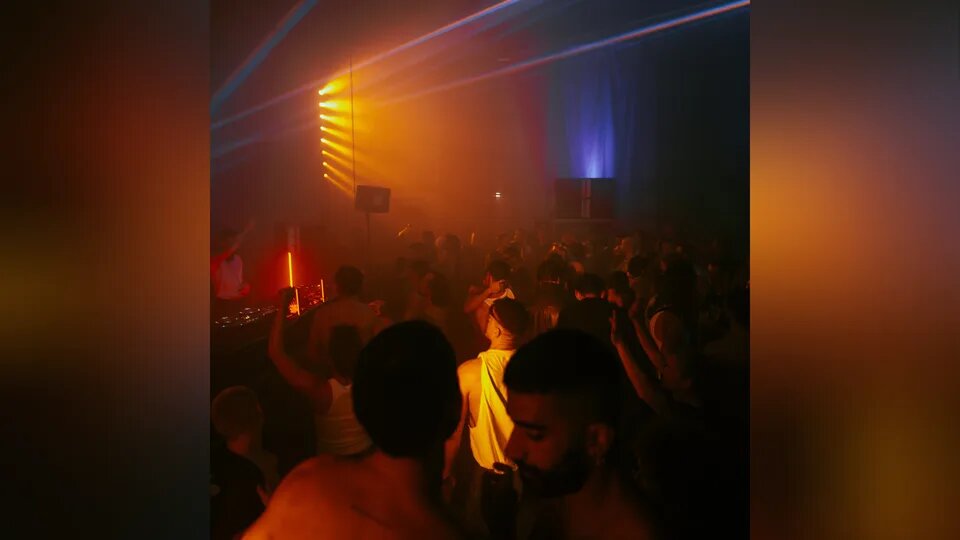
A perfectly curated stage with 5 artists who share a specific vision creates a vibe that no "mega-festival" can replicate. Coherence hits harder than a random list of famous names.
This is not nostalgia. It is backed by data. A PLOS ONE study on festival attendee satisfaction found that satisfaction is driven by both tangible attributes (programming, aesthetics, facilities) and intangible attributes (escapism, socialisation, education). Critically, the intangible elements, meaning the feeling of connection, community, and escape from routine, are what determine long-term loyalty.
Boutique and curated events excel at delivering these intangible experiences. The Ticket Fairy reports that "right-sizing" a festival, which means limiting attendance to better control the experience, provides organizers with the opportunity to elevate attendee satisfaction in ways that mega-events simply cannot replicate.
Furthermore, 2026 industry data from Easol reveals that 63% of organizers have noted increased demand for intimate, boutique experiences. The market is speaking: people want less, but better.
"63% of festival organizers have noted increased demand for intimate, boutique experiences over mega-events."
Easol, 2026 Music Festival Industry Report
Think about it: when was the last time a festival stage defined your year? Not the festival itself, but the stage. The answer usually involves a curated environment where every artist shared a vision, the crowd was locked in, and you didn't need to check the timetable once because every set was exactly where you wanted to be.
That is identity. And it is the one thing that a 400-artist poster cannot buy.
VI. The Economics of "More": Who Actually Benefits?
Let's follow the money. In a 150-artist lineup:
- Top 10 headliners absorb 60 to 70% of the artist budget.
- The remaining 140 artists split the rest, often earning minimal fees and sometimes playing for "exposure."
- Sound and lighting budgets are spread thin across more stages, which often results in inferior production on secondary stages.
- Set times are compressed to fit everyone in, reducing each artist's ability to deliver their best work.
The promoter benefits because a stacked poster sells more tickets. But the mid-tier artist, the one who might be the next Wrong Sequence, the next Xirek, the next artist who defines a generation, gets a 45-minute slot on a secondary stage with compromised sound, playing to a crowd that's already planning their next stage hop.
Is that really how we want to discover the future of the scene?
The alternative model, a curated label showcase with 5 to 8 artists who share a sonic vision, each playing 90-minute sets with dedicated production, creates more value for everyone:
- The artist gets the time and stage to show their real identity (something we explored in depth in The Death of the DJ-Producer).
- The audience gets an immersive, coherent experience without FOMO.
- The promoter builds a reputation for quality over quantity, which becomes a real differentiator in a market suffering from "festival fatigue".
VII. The Magistrates Perspective: Quality Over Quantity
At Magistrates Music, our philosophy has always been rooted in curation over accumulation. Every release on our catalog is selected because it carries identity, not because it fills a quota.
We apply the same logic to how we think about live events. A curated Magistrates stage with artists who share a specific vision, where the Hardcore, Uptempo, and Frenchcore selections tell a story, would deliver more impact than a randomized mega-lineup where our artists compete for attention against 149 others.
This is not theory. This is what the data says. This is what 63% of organizers are now acknowledging. And this is what the community has been asking for, even if the biggest promoters haven't listened yet.
If you are an artist looking to build a real identity instead of just chasing streams, send us your demo. We believe in giving artists the time and space to tell their story, not compressing them into a 45-minute slot between two other acts they've never heard of.
VIII. Your Honest Take
We don't claim to have the only answer. This is a spectrum, not a binary. Some people genuinely thrive in the chaos of a mega-festival. Others come home drained and wonder why they spent €300 to run between stages.
But the question is worth asking honestly:
Would you rather have a 100-artist festival with constant FOMO, or a 20-artist event where every set is a masterpiece with no clashes?
Quality or Quantity? Let us know what you think. Join the conversation on our Instagram or drop a comment below.
Sources & Further Reading
- Booking Agent Info: 10 Years of Festival Lineups, Industry Trends (2015 to 2025)
- The Business Research Company: Music Festival Global Market Report (2026)
- Easol: 26 Music Festival Statistics for 2026
- World Research Library: Festival FOMO, Cognitive and Behavioral Impact Study
- PLOS ONE: Examining Attendee Satisfaction Drivers at Music Festivals
- The Ticket Fairy: Festival Set Length Strategy, 60 vs. 90 vs. 120 Minutes
- Relentless Beats: Do Ravers Actually Want Shorter Sets?
- The Ticket Fairy: When Less Is More, Right-Sizing Your Festival
- Relentless Beats: Festival Layout, Pathways, and Sound Bleed
- Future Market Insights: EDM Market Report ($10.2B to $20.5B by 2035)
- Culturico: The Psychology of Music Festivals and FOMO