
Is the Scene Eating Itself? Originality vs. Sameness in Hardcore & Uptempo
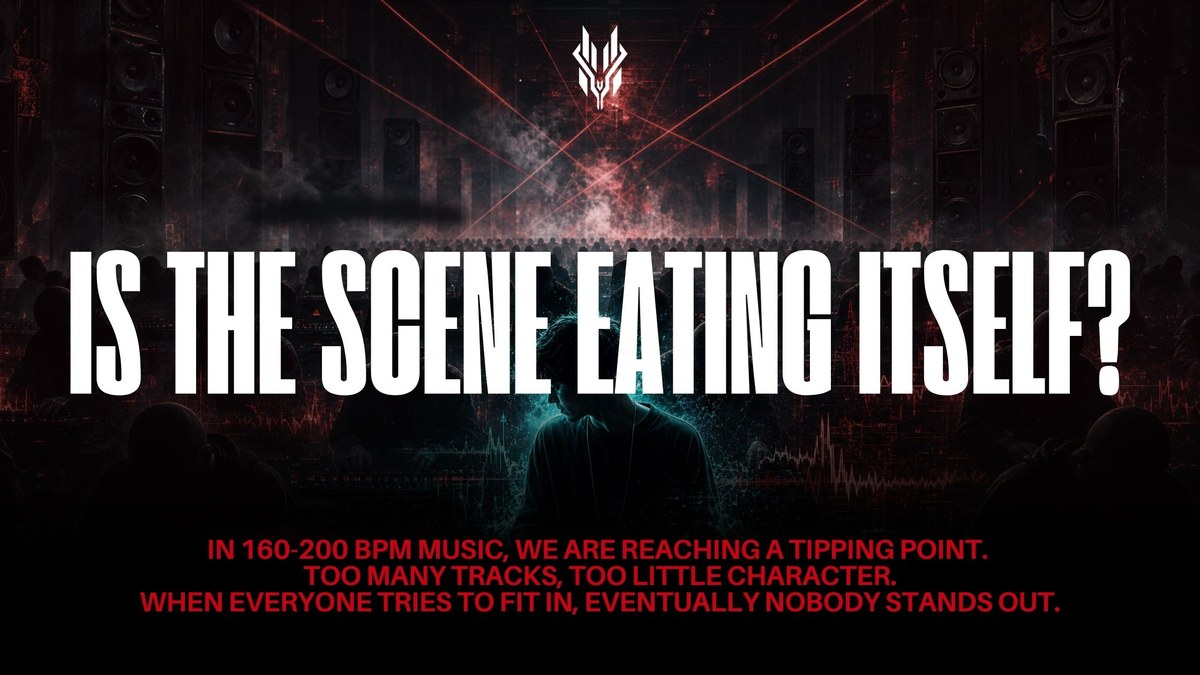
In 160-200 BPM music, we are reaching a tipping point. There are too many tracks and too little character. When everyone tries to fit in, eventually nobody stands out.
The harder styles — Hardcore, Uptempo, Frenchcore and Hard Techno — are faster, louder and more aggressive than ever. The energy is undeniable. But underneath that energy, something uncomfortable is happening: the scene is starting to sound like a copy of itself. This article expands on a question we keep asking inside our demo inbox — are we producing for the dancefloor, or for the algorithm?
1. The "Formula" Trap
The market is flooded with tracks built on the exact same logic. The same kick architecture. The same meme-vocal. The same TikTok-ready drop. Producers reverse-engineer whatever worked last month and ship a slightly different version of it, hoping to ride the same wave.
It is easy to understand why. A formula is safe. It gives you a reference, a target, and a sense that you are doing it "right." But a formula also has a ceiling: it can only ever sound as good as the track it was copied from. Following a formula gives you a moment. Breaking it gives you a career.
2. The Cost of Sameness
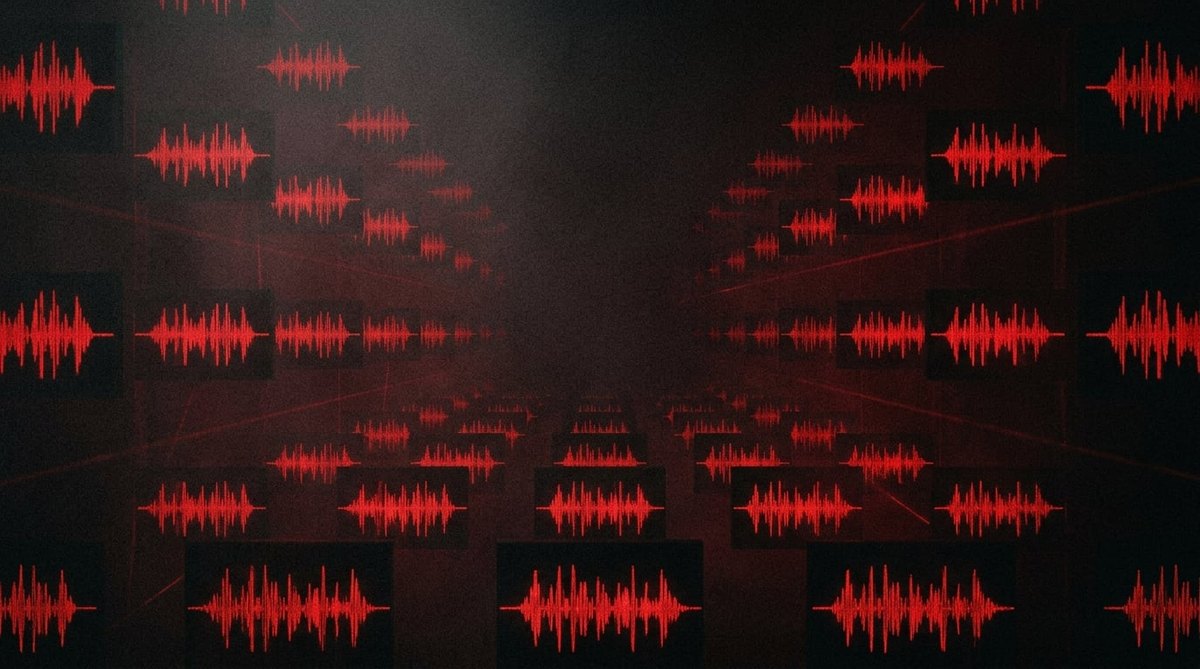
When every release sounds like a copy of the last big hit, the audience becomes "sonic-blind." The energy is high, but the emotional connection is zero. Listeners scroll past, hearts unmoved, because their brains have already filed the sound under "heard it before."
This is the part most producers underestimate. Loudness and aggression are not the same as impact. Harder doesn't always mean better. The human ear adapts fast — once everything is at maximum intensity, intensity stops being special. Originality is the real peak energy. The track that surprises you hits harder than the track that simply screams louder.
3. The Death of Sub-Genres
We are seeing scenes merge and dissolve. Hardcore, Uptempo, Frenchcore, Industrial and Hard Techno are bleeding into each other. From an evolutionary point of view, this is great — cross-pollination is how genres grow. But it is dangerous for identity.
When the borders disappear, so does the context that made a sound meaningful. A screech that felt brutal inside a strict Uptempo framework becomes just another texture when everything is blended together. If you sound like everyone else, you belong to no one.
We explored a related idea in The Death of the DJ-Producer: in a saturated market, technical skill alone is no longer a differentiator. Identity is.
4. Why We Filter (Hard)
At Magistrates, we get hundreds of demos that are technically "perfect" but creatively "empty." Flawless mixdowns. Textbook arrangements. Loud, clean masters. And almost nothing we haven't heard a hundred times before.
We don't want the 100th version of a track that already exists. We aren't looking for "standard." We are looking for "risk" — a producer who made a choice nobody else would have made, even if it isn't perfect. You can browse our catalogue of releases to hear the kind of identity-driven sound we sign.
5. The Survival Guide: How To Avoid Being "Eaten"
Originality is a practice, not a talent you either have or don't. Here is how to protect your sound from the gravity of the formula:
- Look outside: Listen to genres at 90 or 120 BPM — or outside electronic music entirely — for inspiration. The best hardcore ideas rarely come from more hardcore.
- Record your own samples: Capture your own sounds instead of reaching for the same "Ultimate Pack" everyone already owns. Your sample folder is your fingerprint.
- Be human: Imperfection is harder to copy than perfection. A weird groove, an off-grid hit, a strange vocal — those are the things people remember.
- Commit to a sound: Resist the urge to chase every micro-trend. Depth beats breadth.
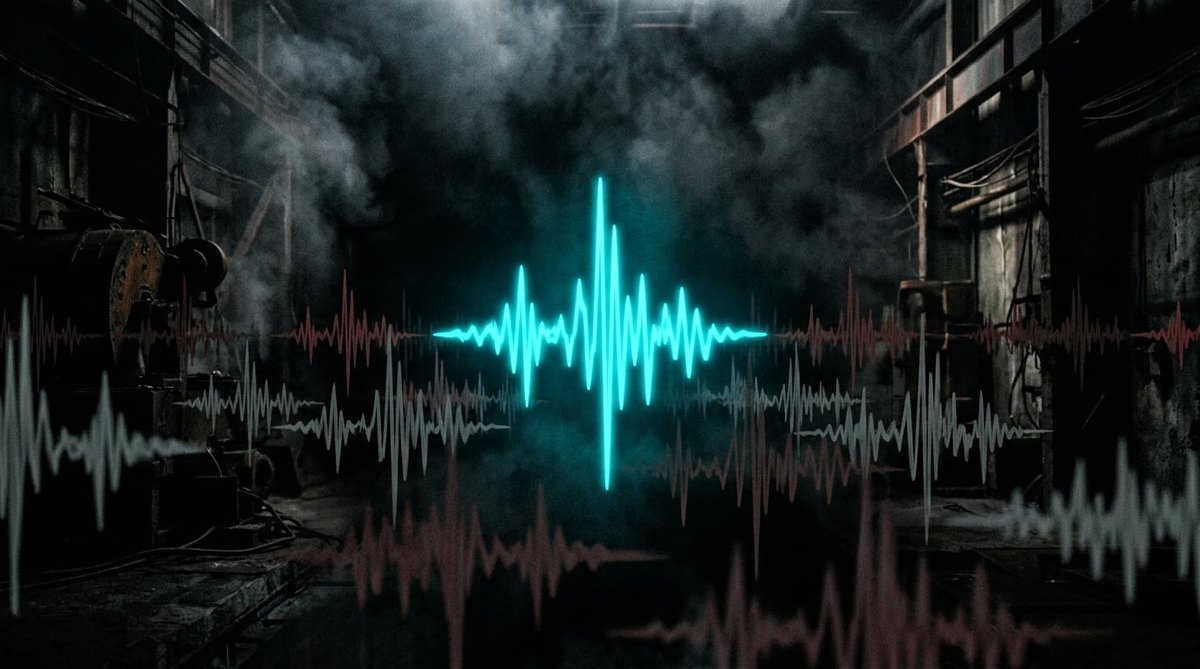
Your flaws are often your signature. The texture you almost "fixed" might be the exact thing that makes you recognisable.
6. Don't Be a Trend-Chaser
Trends have an expiration date. Identity doesn't. Stop producing for the "now" and start producing for the "forever." The producers who define the next decade of harder styles will be the ones building sounds that still feel fresh in 2030 — not the ones who perfectly nailed this month's meme.
If you want to think about this strategically — building equity instead of chasing clicks — we broke it down in Artist vs. Artist-Product. The scene only grows when artists dare to be weird again.
Conclusion: Let's Protect The Scene
The scene "eats itself" when original voices are drowned out by clones. We love the energy. But we miss the soul. Supporting the risk-takers, the originals and the music that makes you feel something different is how we keep the harder styles alive and worth caring about.
Quality over clones. Identity over impact. The question is not whether you can make a loud track — anyone can. The question is whether anyone could mistake your sound for someone else's.
Got a sound nobody else has?
We are not looking for the next clone. We are looking for the next original — at any BPM.
Send Your Demo